
Defensive Driving Tips to Prevent Car Accidents
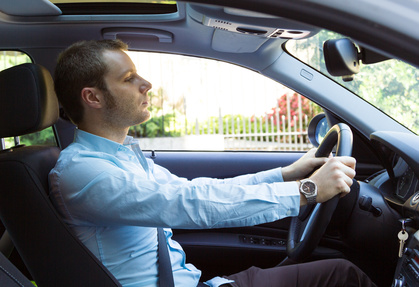
Driving is challenging even under ideal conditions, but advanced mobile technology compounds the problem of distracted driving. While everyone believes they are a careful driver, it's clear that taking your eyes off the road for a split second can have disastrous consequences. Here are ten safe driving tips to help prevent car accidents and show how to avoid car accidents.
Top 10 Safe Driving Tips
1. Focus Only on Driving
2. Don't Drive at Night
3. Avoid Driving in Blind Spots
4. Aim High in Steering
5. Keep Both Hands on the Wheel
6. Avoid Tailgating
7. Wear Your Seat Belt
8. Drive in the Center or Right Lane
9. Watch for Unsafe Vehicles
10. Maintain Your Car Properly
Practice Accident Avoidance
While some car accidents are unavoidable, you can take measures to give yourself every advantage. Take responsibility when you drive and always focus on driving only. The key to staying safe on the road is actively practicing defensive driving techniques.
For More Information
- https://www.edmunds.com/car-reviews/top-10/top-10-editors-tips-to-prevent-a-car-accident.html
- https://www.wikihow.com/Avoid-Car-Accidents
- https://www.cdc.gov/motorvehiclesafety/seatbelts/facts.html
- https://www.pbs.org/newshour/bb/transportation-july-dec09-driving_07-28/
Q&A
What’s the most important step I can take to avoid distracted driving?
Short answer: Make “focus only on driving” your top priority and avoid interacting with your smartphone. Driving conditions can change instantly, and even a brief glance away from the road increases crash risk. Studies cited here indicate that texting while driving can make a crash up to 23 times more likely than if you avoid such distractions.
Why is driving at night more dangerous, and how can I reduce the risk?
Short answer: Night driving reduces visibility, slows reaction times due to fatigue, and increases the chance of encountering impaired drivers. You can lower your risk by reducing your speed, keeping your windshield clean, and using high beams responsibly when appropriate.
How much following distance should I leave to avoid tailgating?
Short answer: Leave at least one car length for every 10 mph of speed, and use the three-second rule whenever possible. This space gives you time to react to sudden stops and also reduces unnecessary wear on your brakes and suspension.
What does “aim high in steering” mean, and why does it matter?
Short answer: It means keeping your eyes focused well beyond your hood so you can spot potential hazards early. Seeing farther ahead buys you time to maneuver away from danger and keeps your driving proactive rather than reactive.
If my car has airbags, do I still need to wear a seat belt?
Short answer: Yes. Airbags add protection, but seat belts are critical and reduce the chance of a serious injury by almost 50 percent. It’s also the law, and prioritizing seat belt use protects everyone in the vehicle.